
Insurance recovery
Property damage claims
Most property disputes are not arguments about whether something happened. They are arguments about scope and value — what the repair actually requires, and what the policy actually promised to pay for it.
We represent California homeowners and businesses in insurance recovery matters — denied, delayed, and underpaid claims.
Request a Free Case Review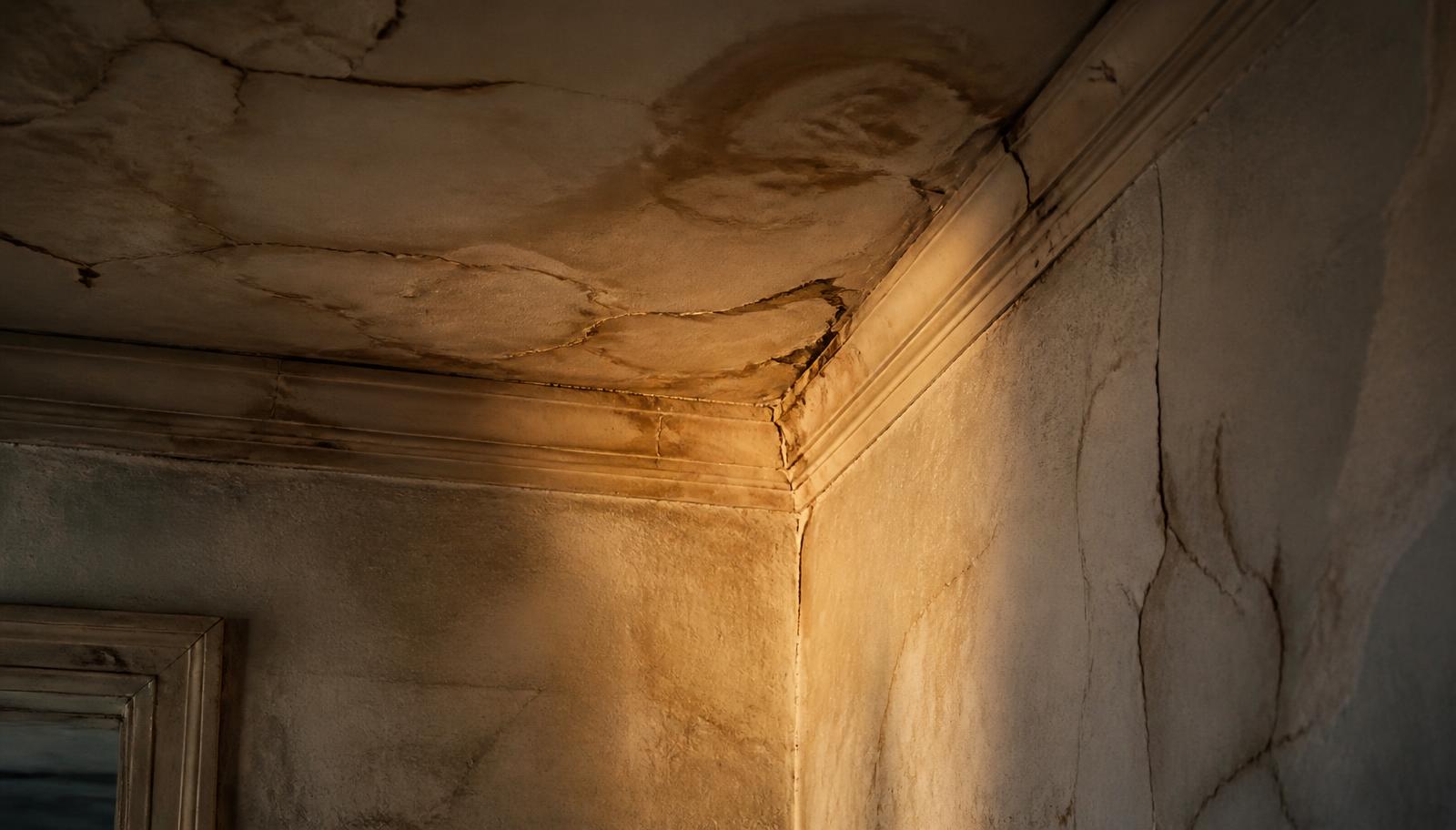
Where property claims go wrong
Fire, smoke, water, storm, and structural losses are usually documented quickly. The disagreement comes later, when the estimate is written: which materials are included, whether adjacent undamaged areas must be replaced to match, whether current building code requirements are accounted for, and what depreciation was applied.
Business property claims add layers — interruption of operations, extra expense, inventory, and the period of restoration itself, which is often the single most contested figure in the file.
Because these disputes are technical, they are won or lost on documentation. A scope that is written carefully, with support for each line, is harder to reduce than one that is asserted.
Typical points of dispute
Scope written too narrowly
The estimate covers visible damage and omits what has to be removed, tested, or rebuilt to complete the repair properly.
Matching and continuity
Undamaged adjoining materials cannot be matched, and the estimate still assumes a partial replacement.
Code upgrades left out
Current building requirements that apply to the repair are not included in the cost.
Depreciation applied aggressively
Age or condition deductions are taken across items where they are not supportable, reducing the actual cash value payment.
Cause allocated to an excluded peril
A mixed-cause loss is assigned largely to the excluded portion without an evidentiary basis for the split.
Period of restoration cut short
For business losses, the recovery period is estimated below what the repair and reopening realistically require.
How we approach property losses
01
Build the scope from the property
The repair scope is documented from the condition of the structure itself, not derived by negotiating against the carrier's number.
02
Support each contested line
Materials, code requirements, and labor are tied to documentation so that reductions have to be explained rather than assumed.
03
Read the coverage parts in full
Additional living expenses, ordinance or law, debris removal, business interruption, and extra expense are checked against the loss.
04
Preserve the evidence of the loss
Photographs, samples, and pre-repair conditions are captured before work removes them from the record.
Useful to gather before a review
- Photographs and video of the damage, before repairs if possible
- The insurer's estimate and any expert or engineering reports
- Contractor bids or estimates you obtained
- Receipts for emergency mitigation, temporary housing, or lost income
- The full policy, including declarations and endorsements
- All claim correspondence, including payment breakdowns
Questions we are often asked
- The insurer's estimate is far below my contractor's. What now?
- That gap is the dispute. It is addressed by documenting the scope and cost of the repair independently and identifying where the carrier's estimate departs from it.
- Do I have to use the insurer's preferred contractor?
- That depends on your policy's terms. It is worth reading before committing to a repair program.
- What if part of my loss is excluded?
- Mixed-cause losses are common. How the loss is allocated between covered and excluded causes is a factual question that can be examined.
- Can I claim the cost of code upgrades?
- Many policies address ordinance or law coverage, sometimes with limits. Whether it applies depends on your specific policy and the repair required.
- Should I wait to repair until the claim is resolved?
- Urgent mitigation usually cannot wait, but preserving evidence matters. Document conditions thoroughly before repairs change them.
The information on this website is provided for general educational purposes only. It is not legal advice, and it should not be relied on as a substitute for advice about your specific policy, claim, or circumstances. Insurance claims and lawsuits are subject to deadlines set by the policy and by law. Delay in seeking advice may affect available options. Insurance claims and lawsuits may be subject to deadlines. If you believe a deadline may be near, do not rely on this form alone. Contact a qualified California attorney promptly.
Further reading
Go deeper on your own claim
California claim guides
Loss-by-loss walkthroughs of how each coverage is valued and where disputes start.
What California law requires
Acknowledgment and decision deadlines, good faith duties, appraisal, and DOI complaints — each with its source.
Denial letter decoder
Free tool: pick the reason your letter gives and see what answers it.
Related
Other insurance recovery matters
Insurance Bad Faith
California law asks more of an insurer than a decision letter.
Denied Claims
A denial letter is an insurer's position, not a verdict.
Delayed Claims
A claim that never gets decided can be as damaging as one that gets refused.
Underpaid Claims
A payment arrived, and it does not match the loss.